
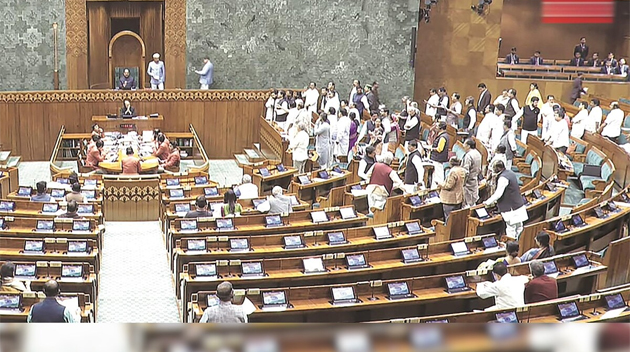
The Congress party is likely to stay away from the joint parliamentary committee (JPC) examining three controversial Bills. These Bills propose the removal of senior government officials arrested for 30 consecutive days on serious charges. This decision reflects the party’s ongoing concerns regarding the legislative process and the implications of these Bills.
Congress officials revealed that the formal notification regarding their decision will soon reach Lok Sabha Speaker Om Birla. This move could significantly impact the proceedings of the JPC.
At least three other opposition parties—Trinamool Congress, Shiv Sena (UBT), and Aam Aadmi Party—have already announced their intention to boycott the panel. Additionally, the Samajwadi Party has expressed support for a united opposition boycott against the JPC. So far, no other political factions have indicated their readiness to join the committee, indicating a growing discontent among opposition parties.
Earlier this month, Lok Sabha Speaker Om Birla stated that he had not received any official communication regarding a boycott of the JPC. “No political party has communicated to me in writing on this subject,” he told reporters, adding to the tension surrounding the issue.
The controversy surrounding the three Bills began during the last day of the Monsoon Session, when Home Minister Amit Shah introduced them in the Lok Sabha. The Bills are:
- The Government of Union Territories (Amendment) Bill
- The Constitution (One Hundred and Thirtieth Amendment) Bill
- The Jammu and Kashmir Reorganisation (Amendment) Bill
The legislation allows the removal of key political figures, including the Prime Minister, Chief Ministers, and other ministers, should they be arrested for 30 days on serious charges. This has incited fierce opposition protests, with many parties labeling the Bills as unconstitutional and politically motivated, aimed squarely at targeting opposition leaders across various states.
The JPC has yet to be formed, despite the House referring the three Bills for scrutiny. The proposed committee plans to include 21 members from the Lok Sabha and 10 from the Rajya Sabha to investigate the implications of these Bills.
The unfolding political situation raises critical questions about the impact of this legislative approach on governance and civil liberties. With the growing solidarity among opposition parties against the JPC, the prospects for constructive discourse on these contentious Bills appear dim.