

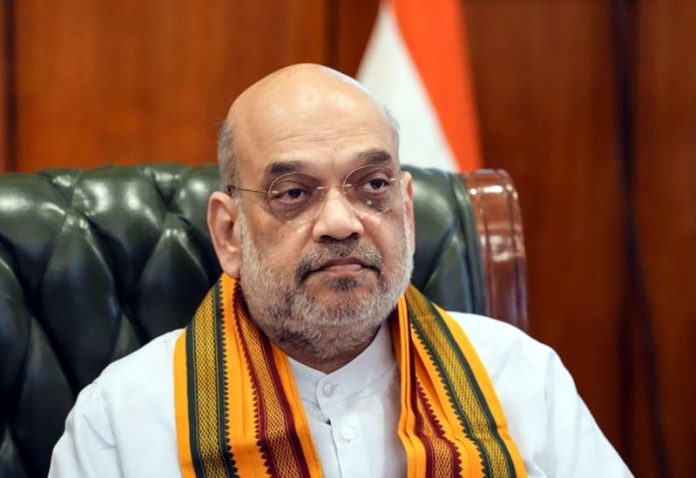
In a significant move towards promoting indigenous technology, Union Home Minister Amit Shah announced on Wednesday that he has switched his official email communications to Zoho Mail, a homegrown service developed by Chennai-based Zoho Corporation. This transition aligns with the government’s ‘Atmanirbhar Bharat’ initiative, which encourages the adoption of Indian-made products and services to foster self-reliance in the digital sector.
Amit Shah shared the update on X (formerly Twitter), stating:
“Hello everyone, I have switched to Zoho Mail. Kindly note the change in my email address. My new email address is amitshah.bjp@zohomail.in
. For future correspondence via mail, kindly use this address. Thank you for your kind attention to this matter.”
Moneycontrol
Zoho Mail is renowned for its strong privacy standards and data protection measures, making it a preferred choice for professionals and businesses seeking secure, ad-free email platforms. The service offers features such as email encryption, two-factor authentication, and servers located in India and the US, ensuring compliance with local data sovereignty laws. These attributes have made Zoho Mail an attractive alternative to global providers like Gmail and Outlook.
Devdiscourse
This decision follows a broader trend within the Indian government to promote domestic digital solutions. Earlier, Union IT Minister Ashwini Vaishnaw also transitioned to Zoho Mail, highlighting the platform’s efficacy for official communications. Additionally, the Ministry of Education directed all its officials to utilize Zoho’s suite of productivity tools, including Zoho Writer, Zoho Sheet, and Zoho Show, for document-related tasks. This move aims to reduce dependency on foreign software and support the government’s push for digital self-reliance.
The Shillong Times
Amit Shah’s adoption of Zoho Mail underscores a significant endorsement of Indian-developed technology by a senior national leader. By choosing a domestic service over global counterparts, he sets an example for other officials and citizens to consider local alternatives that align with national objectives of self-sufficiency and data security.
This development is expected to encourage further adoption of Indian software solutions in government and official communications, potentially leading to a more robust and secure digital infrastructure in the country.https://theopenmic.in/